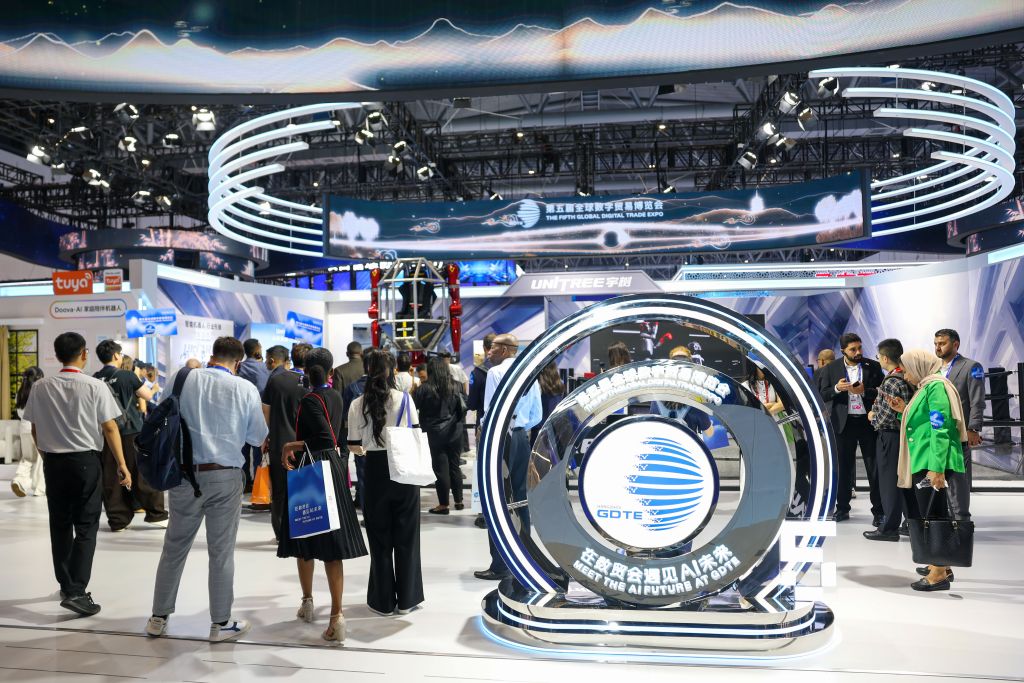



At the State Council Information Office press conference on August 26, 2026, MIIT Vice Minister Xin Guobin said China's artificial intelligence industry is thriving and injecting strong "intelligent power" into economic growth.
According to MIIT, China's intelligent computing capacity reached 2,185 EFLOPS by the end of June, with more than 70 major computing corridors built around computing hub nodes. National-level open-source AI communities have gathered over 11 million users, and global cumulative downloads of Chinese open-source large models surpassed 10 billion times. Nearly 200 key AI standards have been developed, and multiple cities are conducting AI ethics review and service pilots.
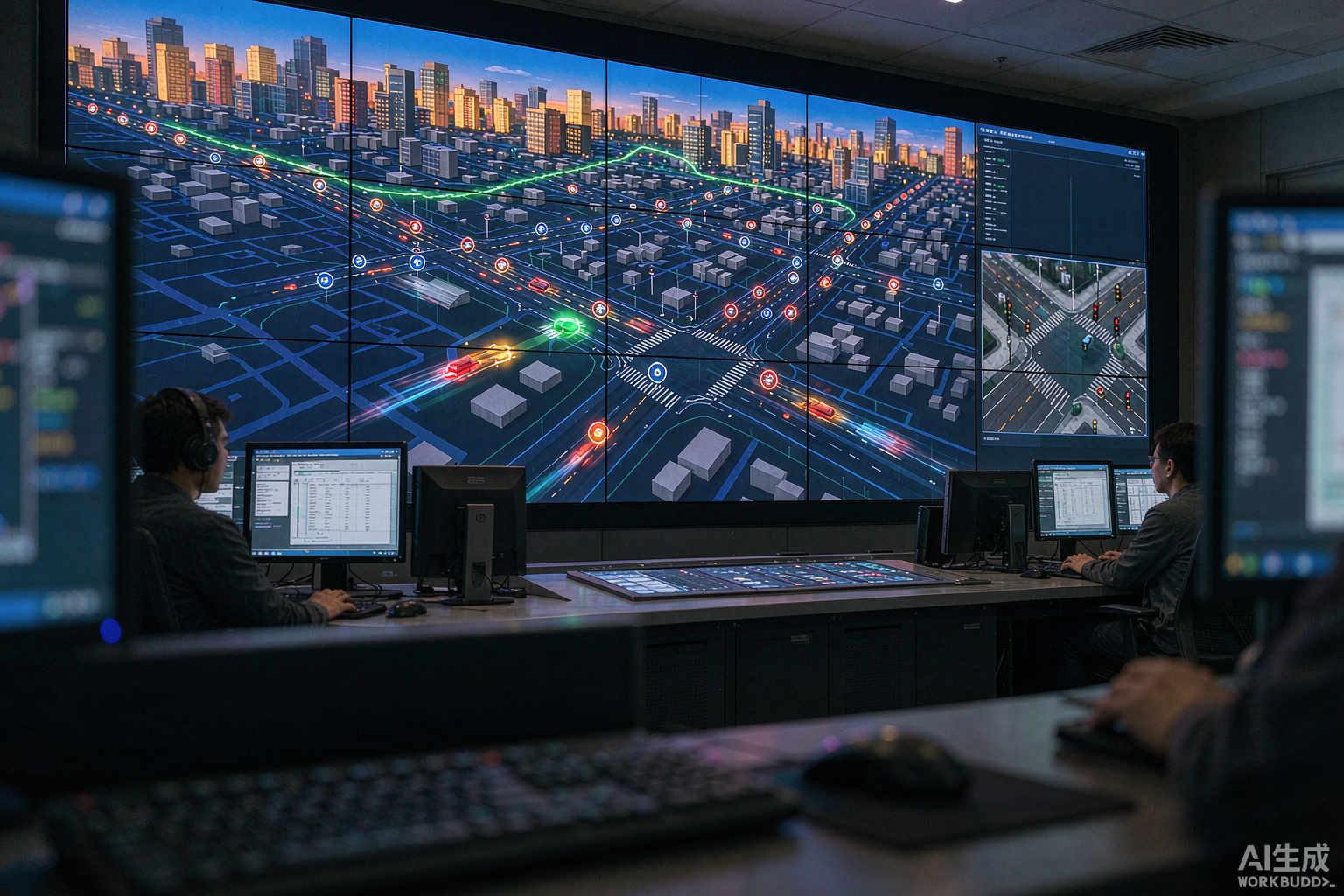
AI applications are now embedded across R&D, design, manufacturing, quality inspection and operations, with more than 30% of China's above-scale manufacturing enterprises covered by AI technology and over 6,000 vertical industry models accumulated. Real-scenario training is allowing robots to start working in production, emergency rescue and catering services.
During the 15th Five-Year Plan period, MIIT said it will support R&D of high-end training chips and multimodal algorithms, tackle frontier technologies such as brain-inspired intelligence and world models, advance iteration of intelligent terminals including humanoid robots and brain-computer interfaces, and develop intelligent mining, agricultural and medical devices, while cultivating high-value application scenarios through a "one industry one map, one scenario one file" model.
Image: Efficiency improvement of AI-related computer chips. Source: Wikimedia Commons (CC0).