


Xinhua reported on August 26, 2026 that NIO, which produced its first vehicle in 2018, has now rolled out its one millionth vehicle at the Xinqiao Second Plant in Hefei, a milestone for the Chinese EV startup and for the city that has nurtured it.
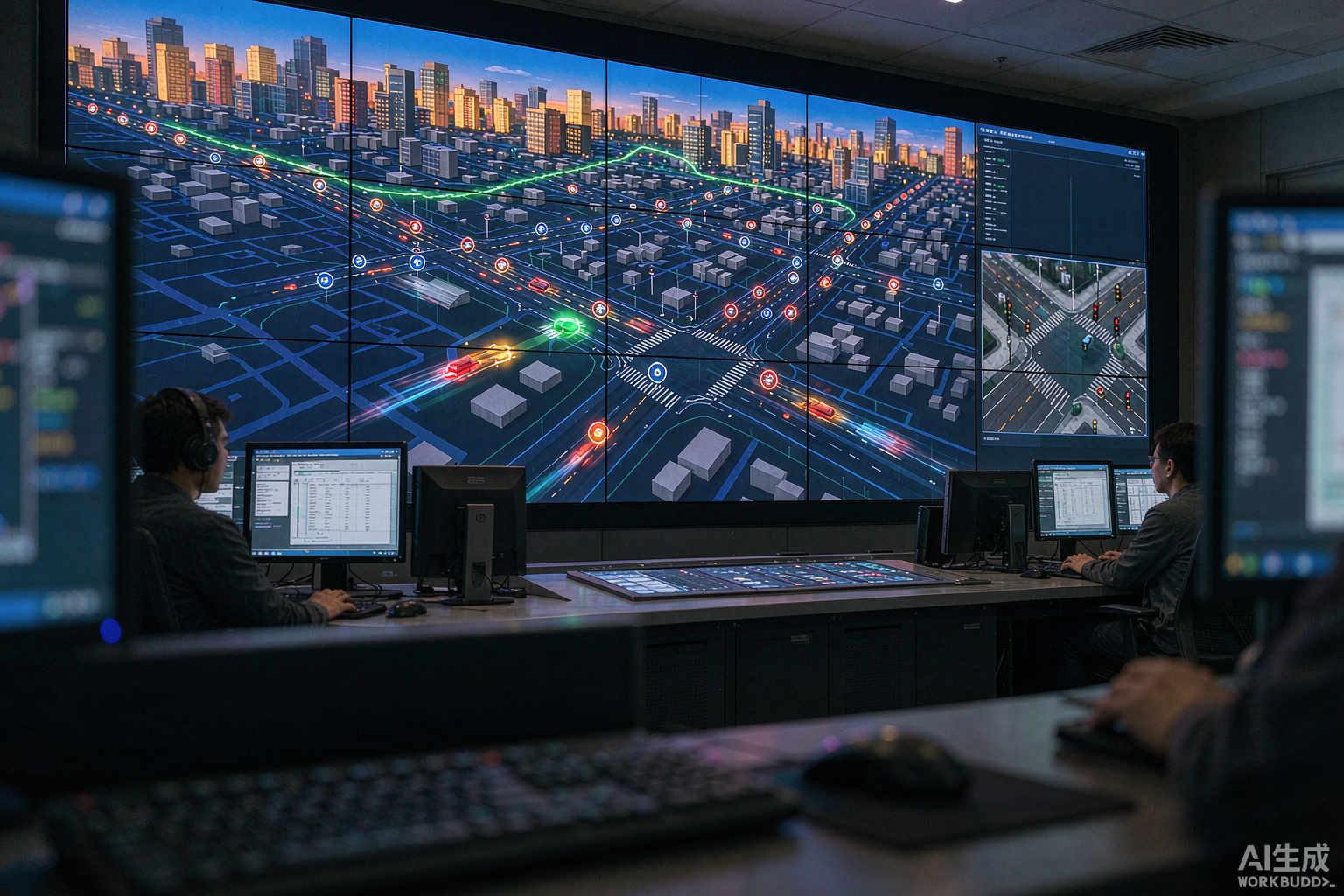
The Xinqiao plant showcases how Chinese manufacturing is moving from automation to intelligence. In NIO's "Sky Eye" project, robotic arms use thermal imaging and AI to complete 69 inspection checks on each vehicle in 84 seconds. Tens of thousands of sensors generate roughly 2TB of structured data every day, which is fed back into AI model training so the production line keeps improving itself.
Hefei's development as an NEV hub has been supported by a complete local industrial chain. The Hefei Economic and Technological Development Area has built an integrated model covering R&D, vehicle assembly, components and aftermarket, gathering more than 140 upstream and downstream companies around automakers including Volkswagen, NIO and JAC. In the first half of 2026, Hefei produced more than 750,000 vehicles, including over 550,000 NEVs, while in 2025 the city ranked first nationally with NEV output of 1.3707 million units.
Battery maker Gotion High-Tech, which supplies and co-develops with Chery, NIO and JAC, is part of a growing cluster that makes local supply chains faster, more stable and cheaper, illustrating how Hefei and Anhui Province are using a dual-core strategy around Hefei and Wuhu to extend the NEV industry chain.
Image: Solar power infrastructure representing clean energy transition. Source: Wikimedia Commons (CC BY-SA 4.0).