


China's artificial intelligence industry has reached a historic milestone, with the total industry scale surpassing one trillion yuan in 2025. The growth trajectory continues to accelerate, with 2026 projected to see growth exceeding 30%, as a commercialized and large-scale application system takes initial shape across four key domains.
Production: Driving Manufacturing Intelligence
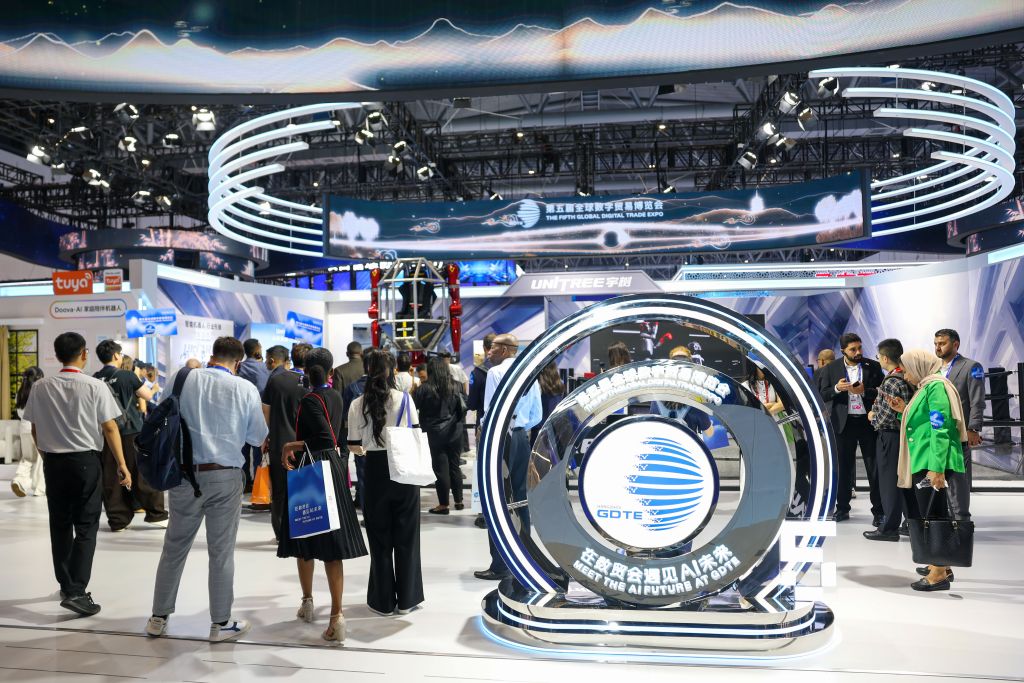
In the production sector, AI is accelerating the intelligent transformation of the entire manufacturing chain. At the 2026 World Artificial Intelligence Conference held in July, embodied intelligent robots demonstrated their capabilities in automotive wiring harness factory assembly lines. Multiple robots operated in coordinated clusters, continuously completing flexible assembly tasks including wire fetching, routing, and insertion.
Services: From Precision to Autonomy
In the service sector, AI is driving a leap from precision-based to autonomous service. Ant Group's Lingbo robot, integrated with a smart pharmacy and delivery platform, autonomously plans and divides tasks based on user orders. The robot identifies medicines and their locations, understands spatial relationships between shelves, personnel, and equipment, and continuously completes order acceptance, picking, and delivery.
Public Welfare: Smart and Connected
In the public welfare domain, AI is building intelligent, connected service systems. Shanghai's airports have deployed smart catering systems, where intelligent robots form a production line capable of producing 10,000 standard meals daily.
Governance: From Management to Service
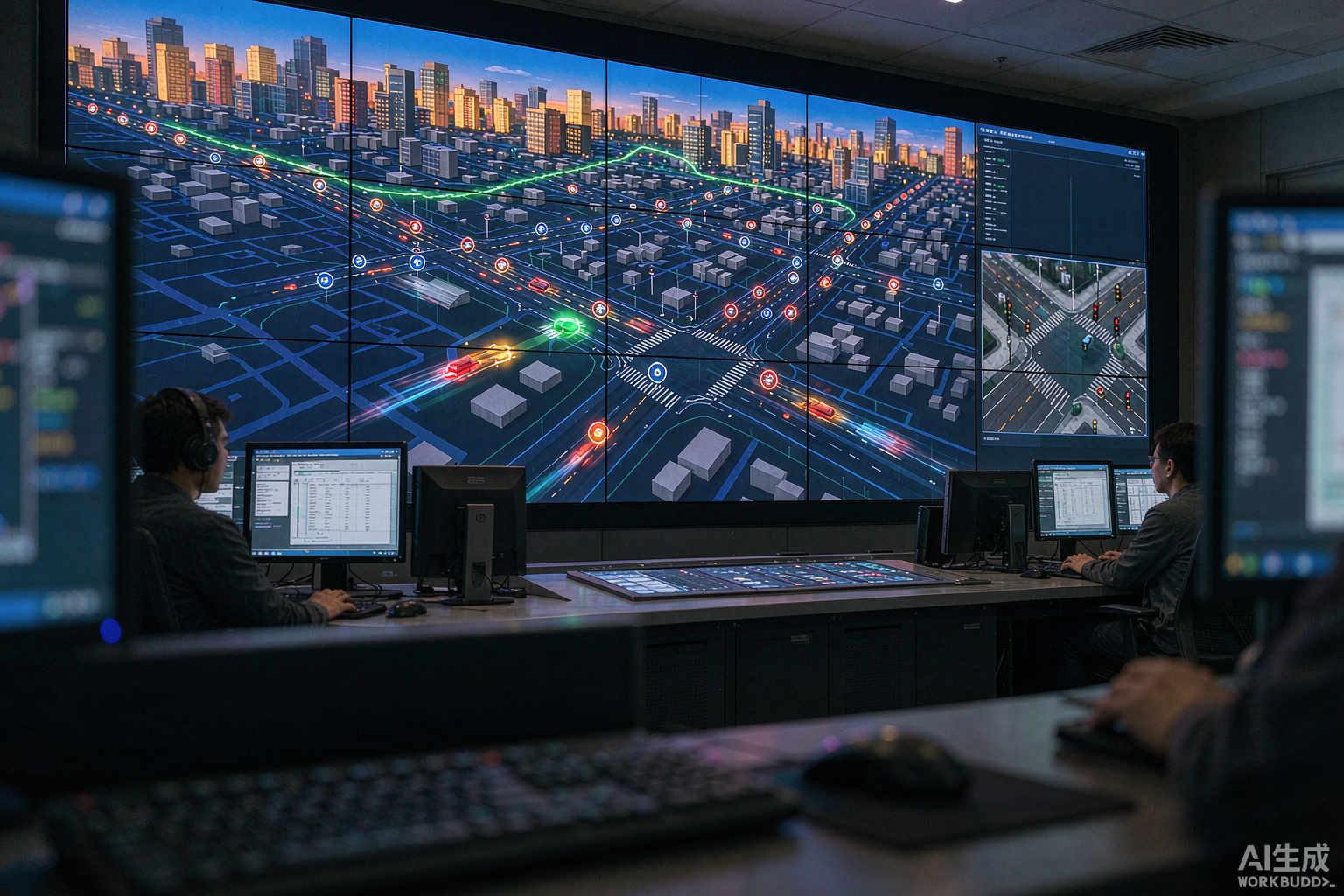
In the governance sector, AI is shifting the logic from "management-centric" to "service-centric." Shenzhen's Education Bureau has built a teacher professional title intelligent evaluation assistant, using AI to assist in talent assessment. The city's Human Resources and Social Security Bureau has created a workplace injury service intelligent agent, addressing complex, time-consuming, and high-risk injury cases.
Challenges Ahead
Despite these advances, several deep-rooted challenges persist. First, core technology "chokepoints" remain unresolved, with high-end chips, lithography machines, and advanced EDA tools still dependent on imports, constraining the industry's path to self-reliance. Second, data silos continue to hinder cross-industry, cross-scenario, and cross-department data flow, limiting AI application effectiveness. Third, structural talent shortages persist, particularly for compound talents who understand both AI technology innovation and industrial application. Fourth, institutional innovation lags behind technological development, with data governance, algorithm regulation, and ethical frameworks still incomplete.
To fully implement the "AI+" action, systematic efforts are needed across technological breakthroughs, scenario integration, talent cultivation, and institutional innovation to build a multi-layered, deployable implementation framework.
Image: Efficiency improvement of AI-related computer chips, 2008-2023. Source: Wikimedia Commons (CC BY 4.0, Hannah Ritchie / IEA).