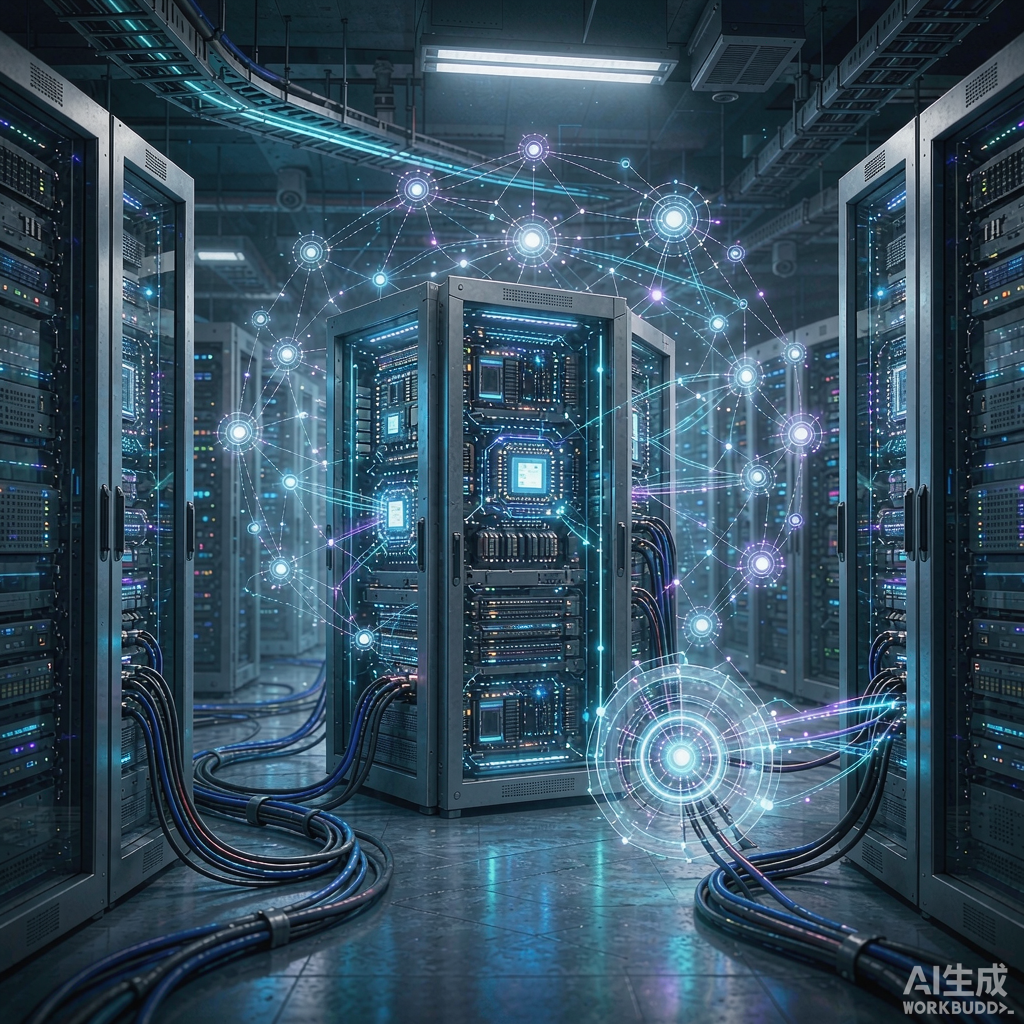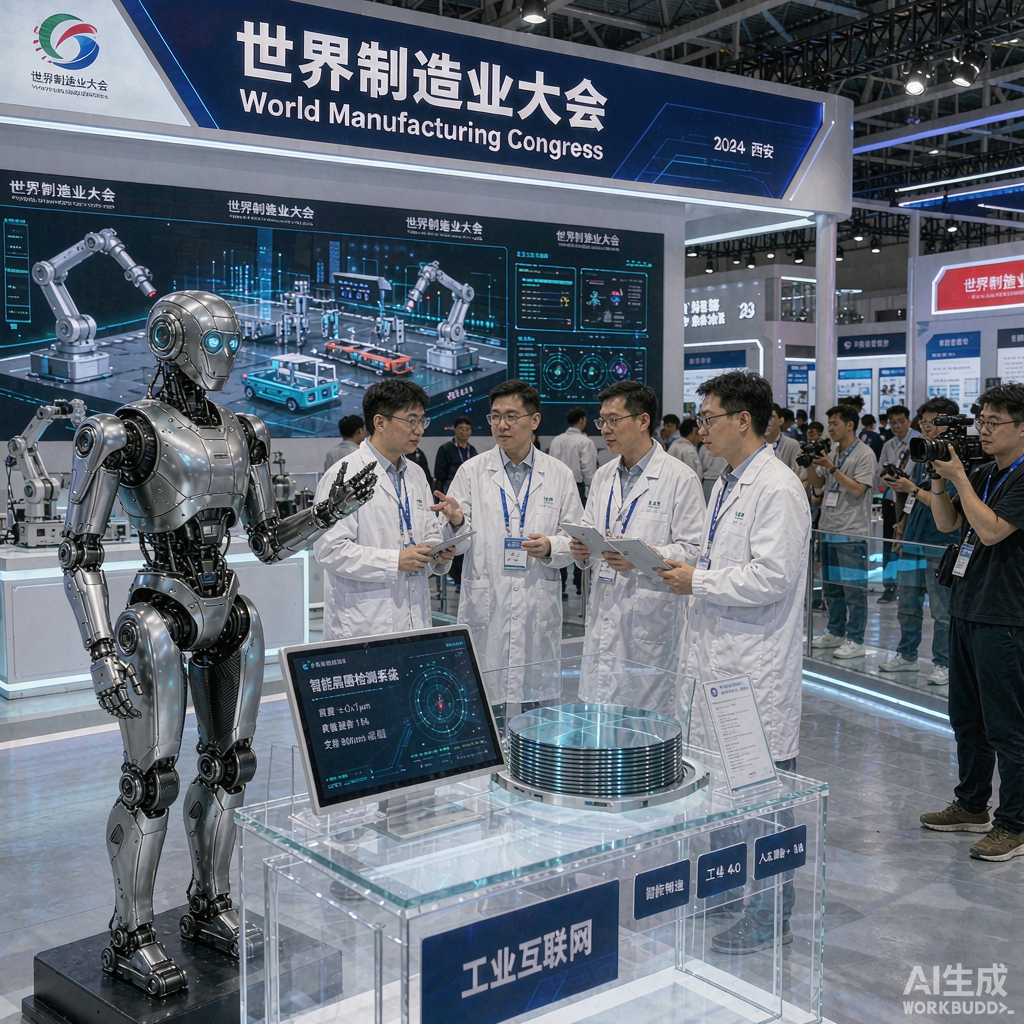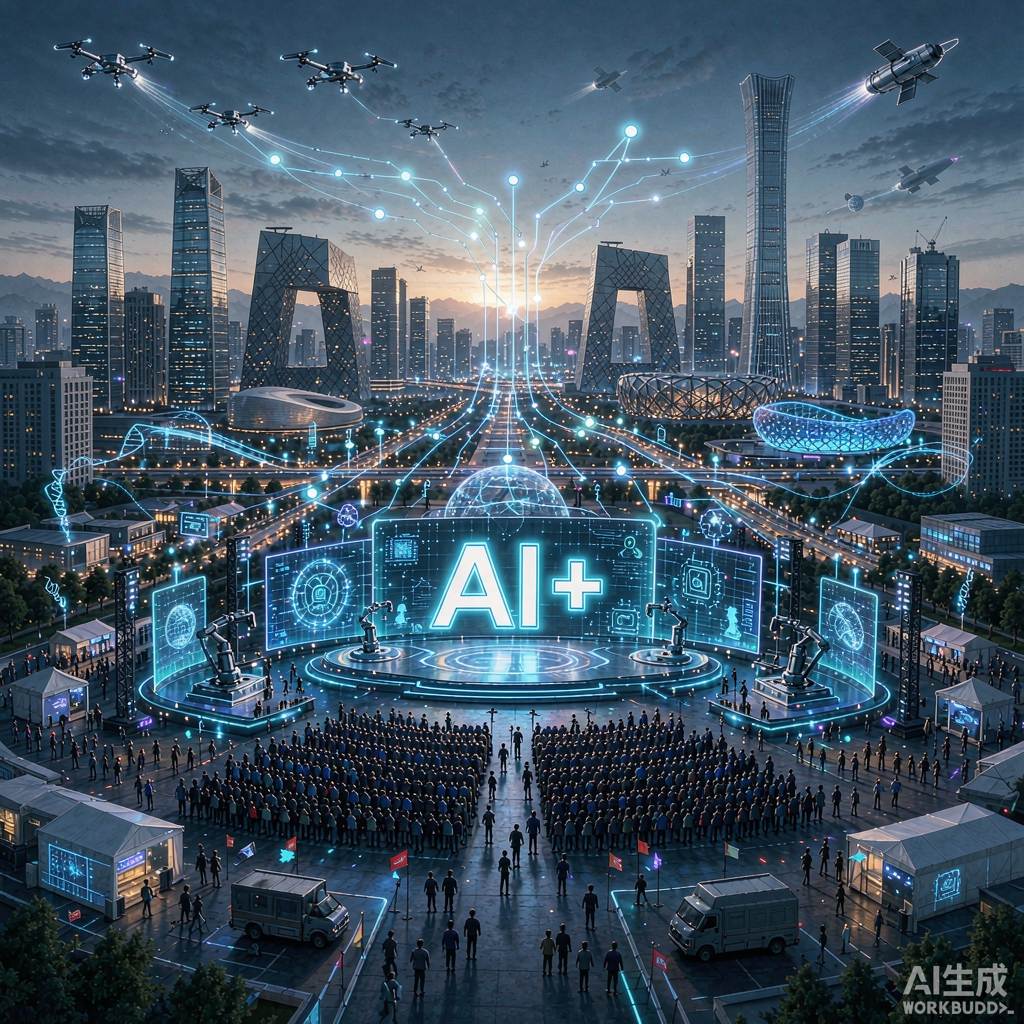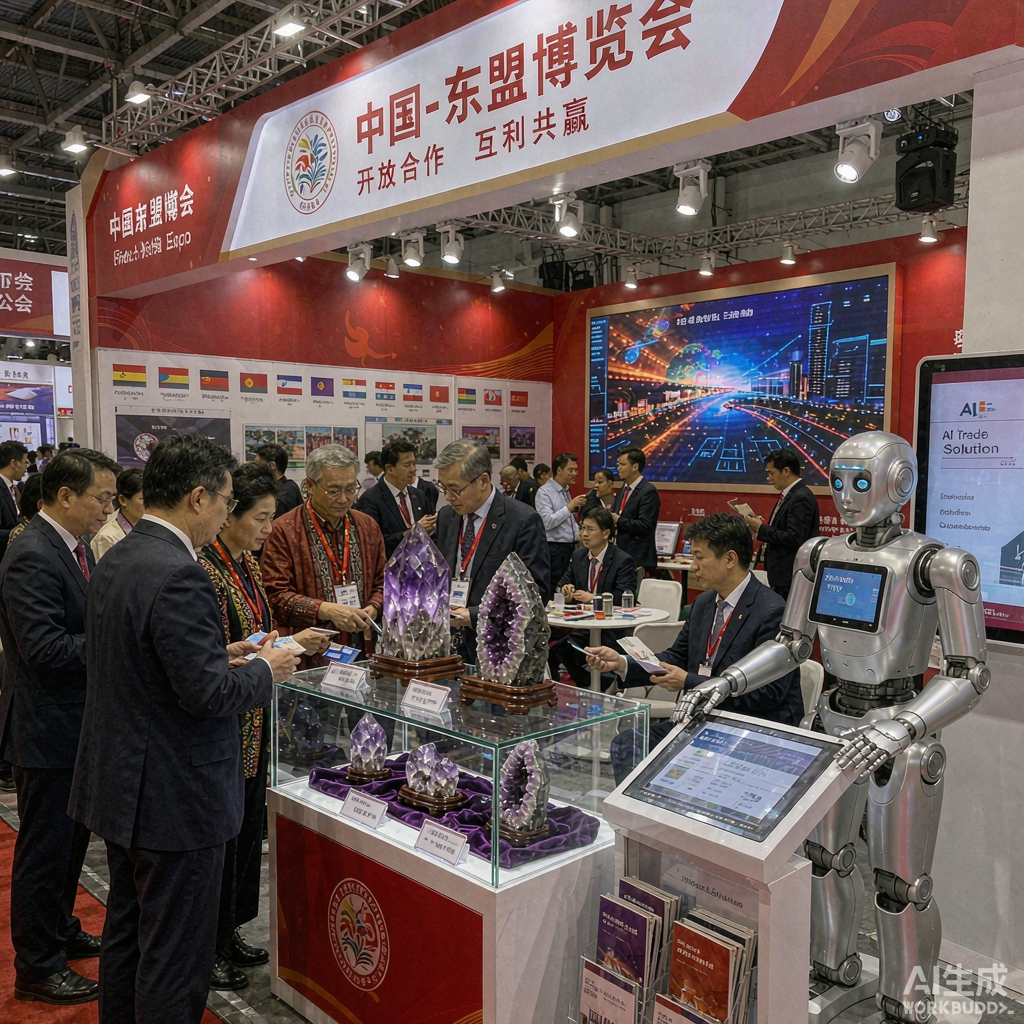



China's 15th Five-Year Plan (2026-2030) will allocate an additional 4 trillion yuan in investment for the national computing power network, according to the latest technology industry reports from August 2026. The massive investment is designed to fully support the long-term development of AI, robotics, and space computing infrastructure.
The computing power network investment represents one of the largest infrastructure commitments in the 15th Five-Year Plan, reflecting the strategic priority that Chinese policymakers have placed on building the physical foundation for AI leadership. The network will encompass data centers, high-performance computing clusters, edge computing nodes, and the high-bandwidth connectivity infrastructure linking them.
Three major trends are driving the August 2026 technology landscape, according to industry analysis. First, domestic Chinese AI is going global at an unprecedented pace, with Chinese AI models dominating global usage rankings and Chinese AI companies expanding aggressively into international markets. Second, memory chip shortages are forcing supply chain self-reliance, accelerating domestic semiconductor development. Third, consumer electronics are entering a dual cycle of price increases and innovation acceleration.
The 4 trillion yuan investment is expected to be distributed across multiple initiatives: expanding AI data center capacity in western China regions with abundant renewable energy, upgrading network infrastructure to support low-latency AI workloads, developing domestic AI chip manufacturing capabilities, and building specialized computing facilities for emerging applications like embodied AI and space-based computing.
Industry analysts view the investment as a clear signal that China is treating AI infrastructure as strategic national infrastructure on par with traditional investments in transportation, energy, and telecommunications. The scale of commitment — 4 trillion yuan over five years — positions China to potentially lead in computing capacity, which is increasingly seen as the critical bottleneck for AI advancement.