


Yiwu — a small inland county-level city in central Zhejiang with no coastline, no minerals and no heavy industry — has become the 'world's capital of small commodities,' and 2026 marks the 20th anniversary of the 'Yiwu Development Experience' that has guided its rise.
In 2025, Yiwu's foreign-trade export value ranked first among all counties, county-level cities and districts in China. The city's e-commerce transaction volume reached 553.779 billion yuan, with cross-border e-commerce surpassing 168 billion yuan. Its business entities now exceed 1.26 million, offering more than 2.1 million product varieties, with daily foot traffic near 300,000 and trade covering over 230 countries and regions.
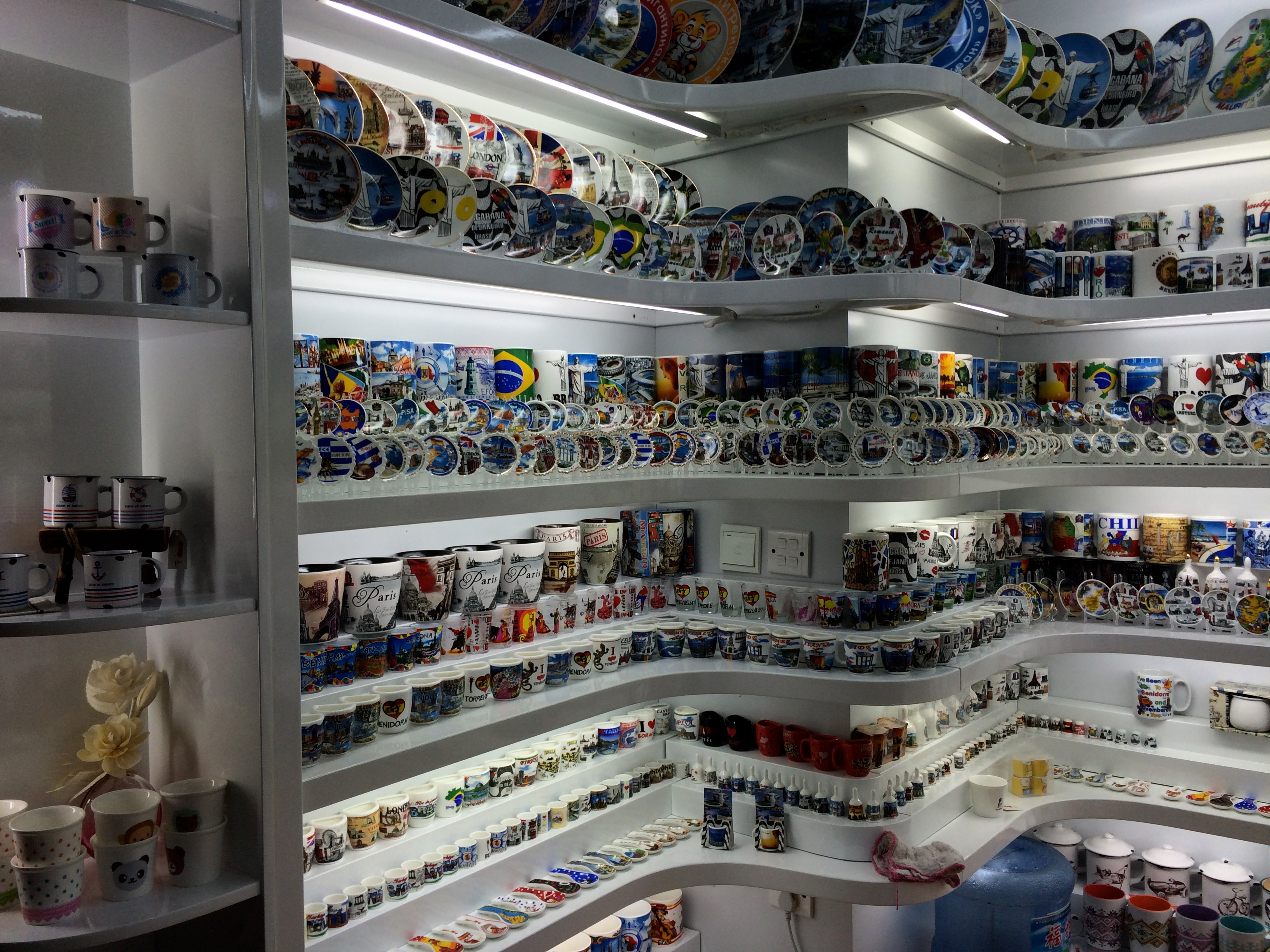
The International Trade City — the world's largest single-volume small-commodity market — runs a 'zoned-by-category' system across eight trading zones and 16 category areas. With more than 80,000 booths, a visitor spending just three minutes at each would need over a year of eight-hour days to walk the entire market. Local manufacturing supplies about 30% of goods, the rest of Zhejiang another 30%, other provinces 30% and imports 10%.
'Only what you can't imagine, never what you can't buy' is the local saying. From popular jewelry and toys to festival goods and 'summer gadgets,' Yiwu moves goods to the world — toys alone account for about 25% of global production and sales. About 70% of the market's trade is export-oriented.
The anniversary prompts a wider question about county governance: how a resource-poor county turned 'small commodities' into 'big business' through entrepreneurship, low costs and fast logistics — a model now studied as a template for how inland regions can plug into global value chains.