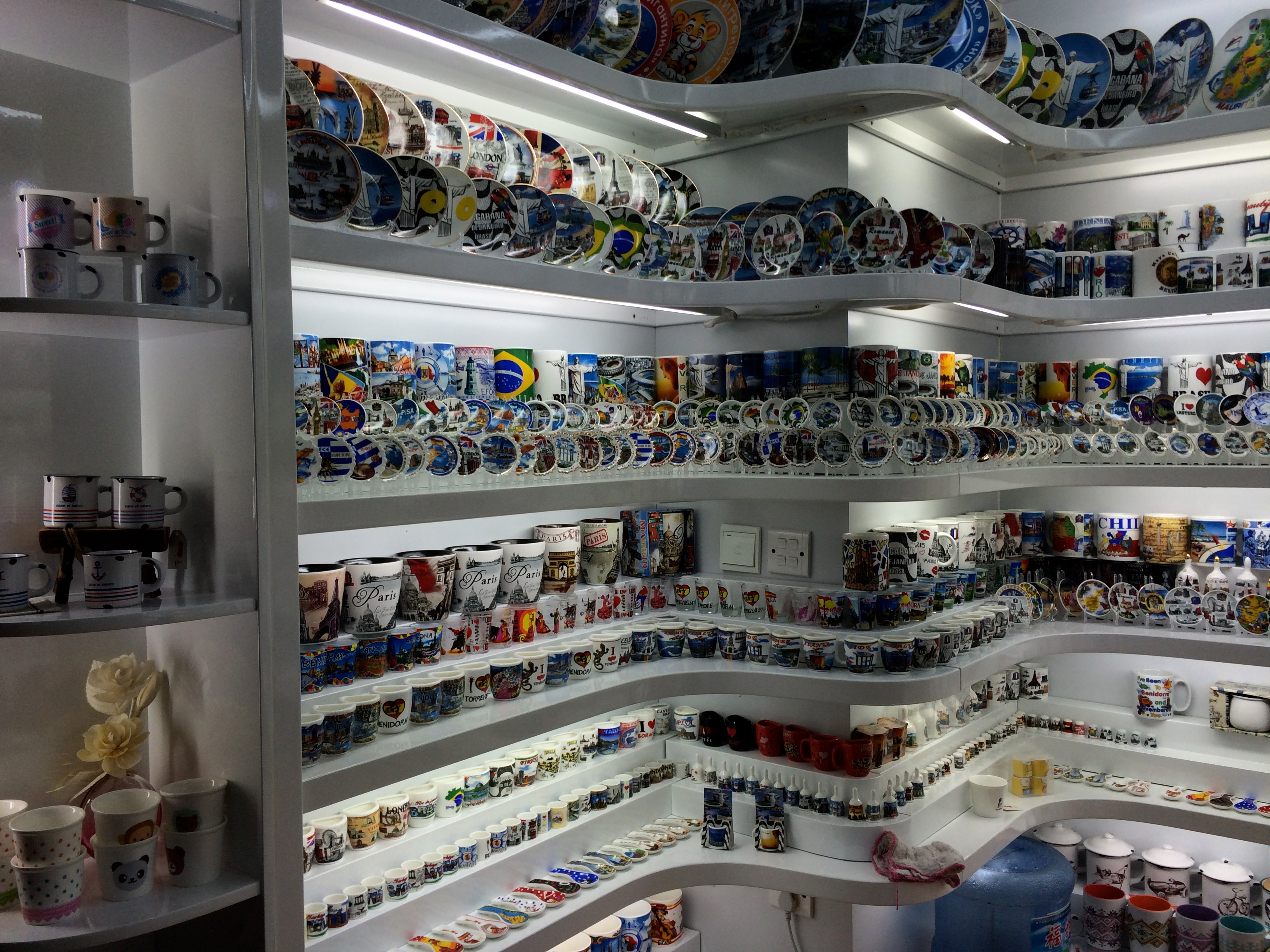



Yiwu's total import and export value reached 636.4 billion yuan in the first eight months of 2026, up 14.8% year-on-year, according to Yiwu Customs. Exports hit 548.85 billion yuan, up 12.8% and a record high, crossing the 500-billion-yuan mark a full month earlier than last year.
Imports also grew briskly, reaching 87.55 billion yuan, up 29.4% over the period. While China's national export growth ran at 14.6% in the same window, Yiwu's achievement is less about raw speed and more about the resilience of its model for handling countless small orders.
The 'world's capital of small commodities' is increasingly built on an efficiency system that links millions of tiny merchants, fragmented orders and small parcels to global markets at low cost. Trade is shifting toward smaller orders, higher frequency and tighter delivery windows — trends Zhejiang authorities summarize as 'small-order, high-frequency, time-sensitive.'
Market-procurement trade remains Yiwu's signature channel: in 2024 the city exported 471.76 billion yuan through this method, 80.1% of that year's total exports, and cumulative market-procurement exports have exceeded 2.58 trillion yuan over the past decade.
The record underscores why Yiwu keeps thriving even as global trade fragments: rather than only competing on low prices, it has upgraded into an organizing platform that re-aggregates scattered demand — turning the world's smallest orders into one of China's largest export engines.