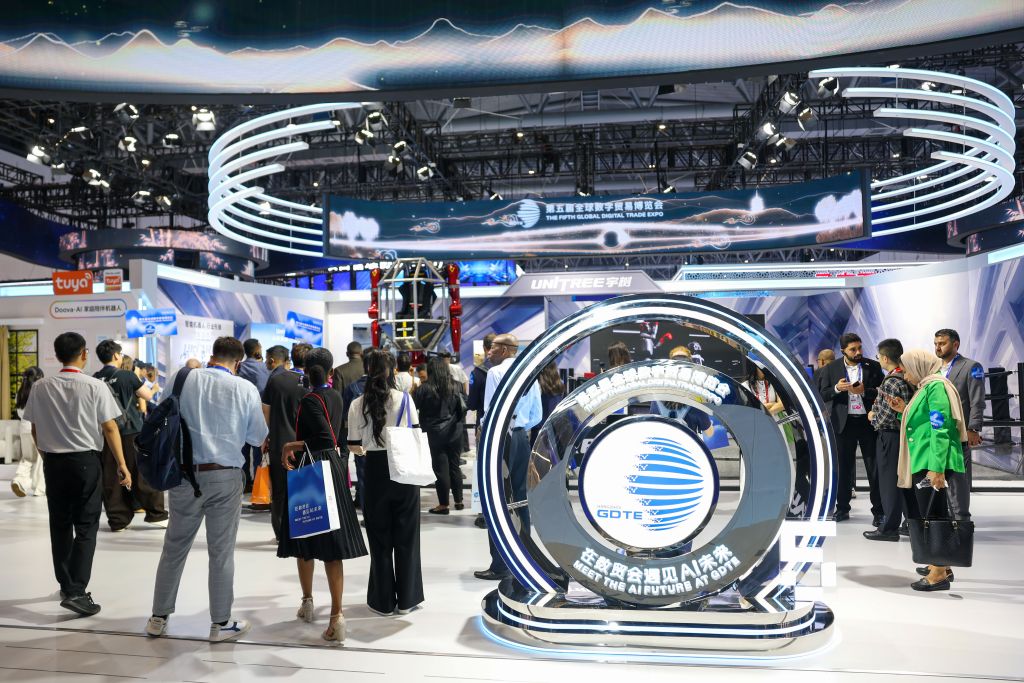



On August 19, 2026, the World Robot Conference officially opened in Beijing, gathering global experts to explore the path of technological evolution and usher in a new era of intelligent machines. The event is closely followed by the Second World Humanoid Robot Games, scheduled to begin on August 22, marking two consecutive world-class robotics events in the Chinese capital.
Dextrous Hand Competition: Precision Meets Innovation
The Second World Humanoid Robot Games has, for the first time, established a dedicated dextrous hand competition, incorporating eight precision manipulation tasks including powder weighing and tweezer-bean transfer into the official events. Each breakthrough behind these tasks represents the coordinated iteration of large models, motion control, sensors, and reducer technologies working in harmony.
From Laboratory to Industrial Scale
The humanoid robot industry remains in its nascent stage, transitioning from laboratory research to large-scale deployment. The sector still faces practical bottlenecks including core component development challenges, open-environment adaptability, long battery life, and high reliability requirements, with some key technological gaps yet to be fully closed.
As outlined in the State Council's "Opinions on Deeply Implementing the AI+ Action Plan," AI innovation should be application-oriented, promoting deep integration of large models with robot bodies. Priority areas include addressing shortcomings in actuators, high-precision sensors, and specialized operating systems, bridging the technical gap from algorithm simulation to real-world deployment, and solving the persistent challenge of "excellent in simulation, underperforming in reality."
AI Industry Exceeds One Trillion Yuan
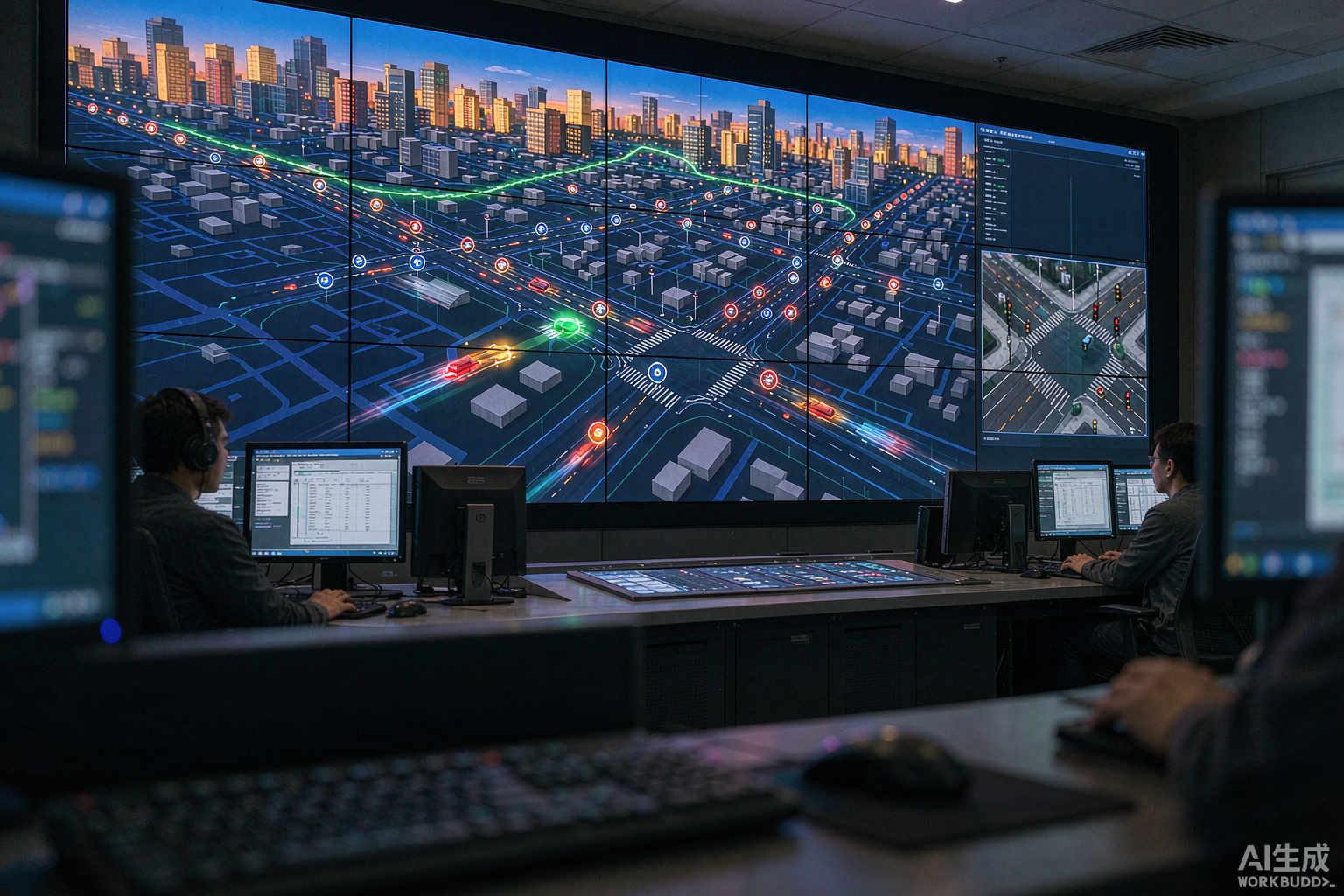
Data shows that China's AI-related industry scale surpassed one trillion yuan in 2025, with an expected growth rate exceeding 30% in 2026. A commercialized, large-scale application system has initially formed across four major domains: production, services, livelihood, and governance.
In the production sector, embodied intelligent robots demonstrated at the 2026 World Artificial Intelligence Conference showed application in automotive wiring harness factory assembly lines, with multiple robots operating in clusters to complete flexible assembly tasks including wire fetching, routing, and insertion.
The conference emphasizes that AI development must firmly anchor to the principles of being innovation-driven, human-centric, and future-oriented, walking a high-quality development path of human-machine coexistence and open, win-win collaboration.
Image: Unitree G1 humanoid robot at UAV Expo 2024. Source: Wikimedia Commons (CC0 / Public Domain, Sayanesy).