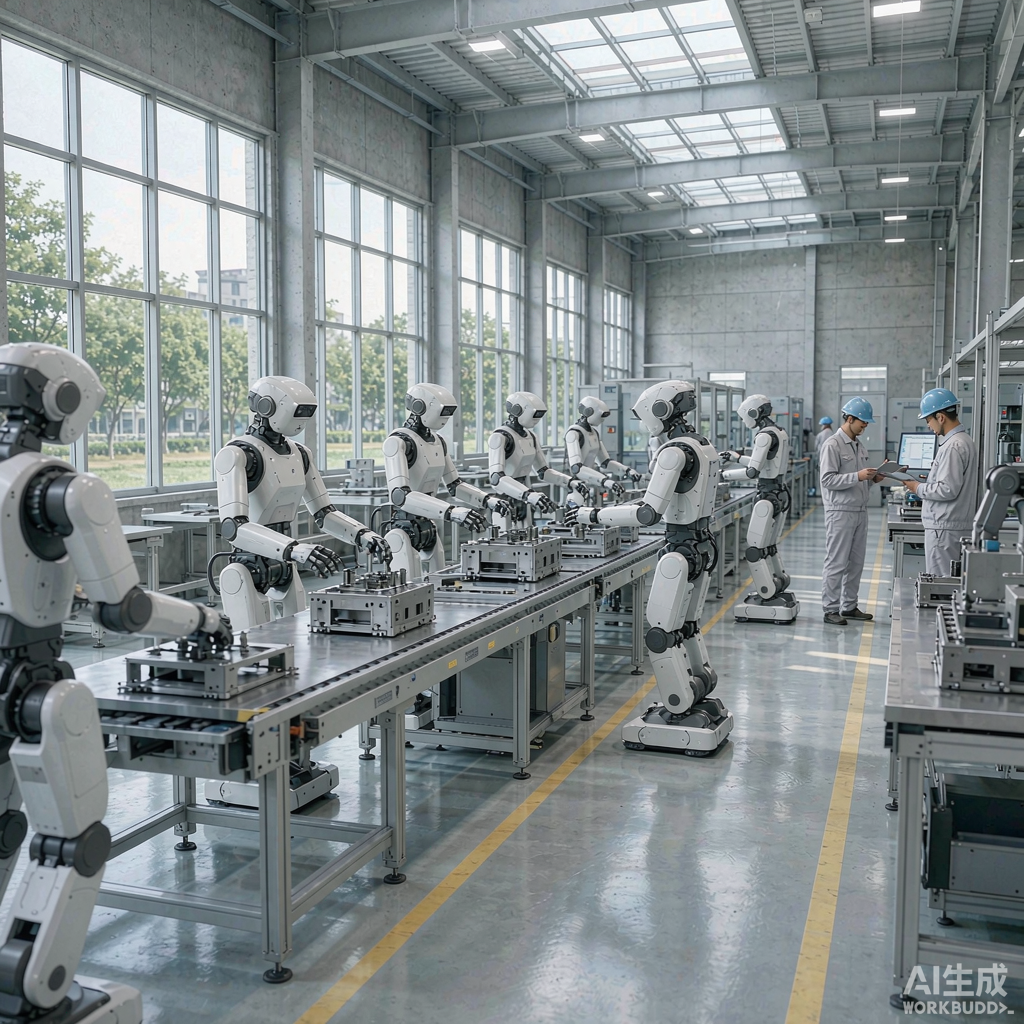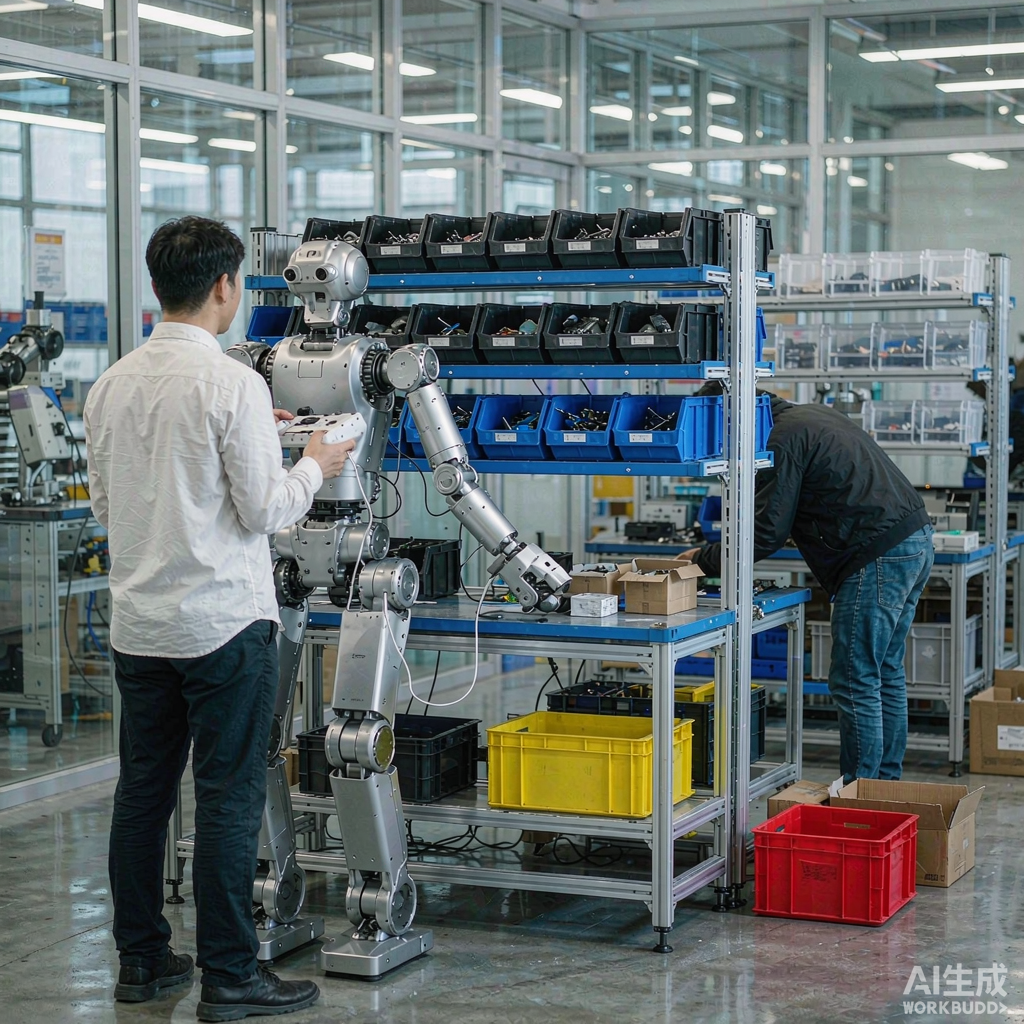



In Jiangsu, artificial intelligence is being pushed from laboratories into factories, warehouses and elder-care facilities. At the data collection centre of Reeman Intelligent Technology, 150 wheeled humanoid robots have spent months being tested on production lines, in warehouse logistics and in home-service scenarios, completing more than a thousand distinct real-world tasks. In a Nanjing elderly-care institution, a companion robot with a wheeled base and two arms uses dexterous hands to pinch, grip, hold and hand over objects gently.
The province's AI Plus action plan aims for AI to be widely and deeply integrated into the economy by 2027, for the AI industry to exceed one trillion yuan by 2030, and for Jiangsu to become a leading national source of AI innovation and an integrated application pioneer by 2035. More broadly, the province aims to form about nine industrial clusters each worth one trillion yuan by the end of the 15th Five-Year Plan period, with future industries such as general intelligence and humanoid robots receiving tiered support.
Access to affordable computing power is part of the strategy. A Token store opened in Nanjing in July lets research teams buy computing capacity on demand; a group working on virtual wind-tunnel simulations for new energy vehicles says a single project can save hundreds of thousands of yuan compared with building its own cluster or renting expensive cloud resources. Yancheng is building a green computing token operation centre and Yangzhou has launched a canal-city computing platform. A provincial integrated scheduling and monitoring platform is also designed to break down computing silos so that capacity can be allocated across regions and used as needed.