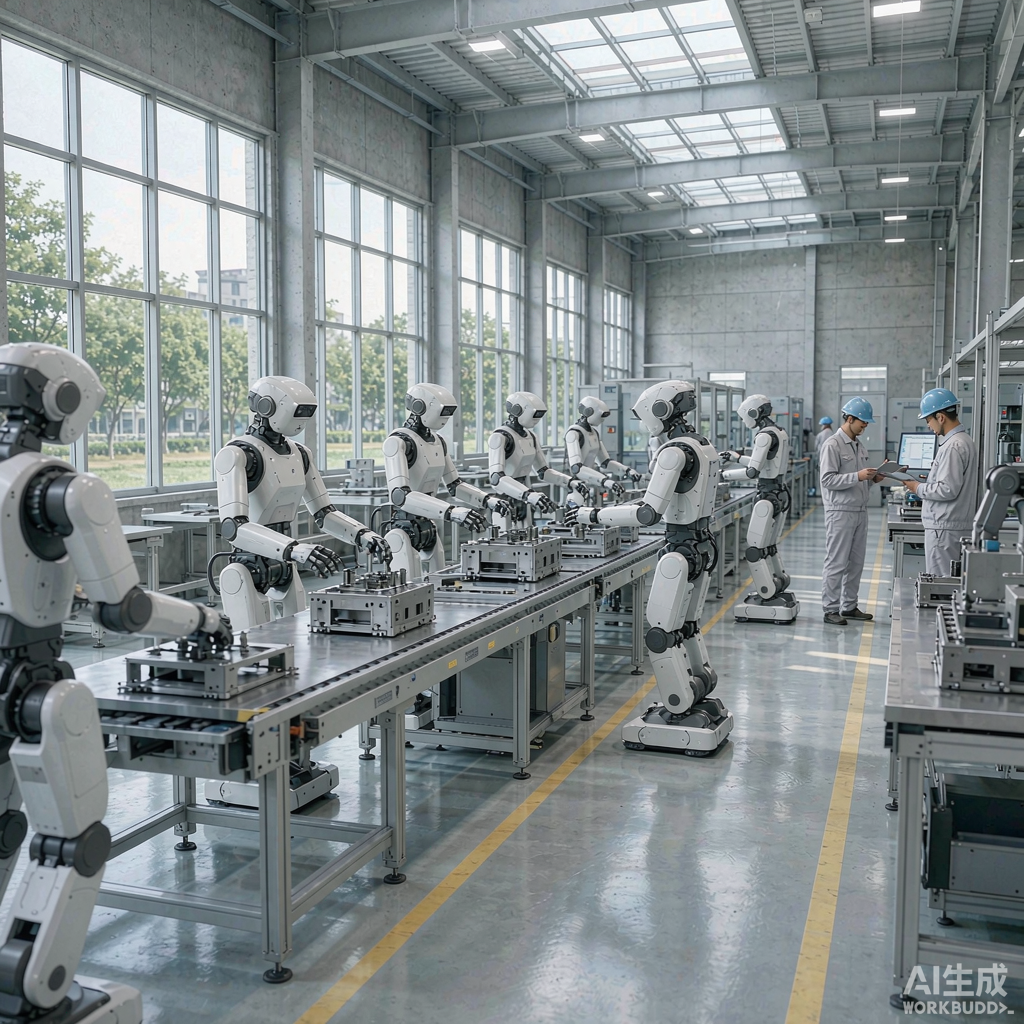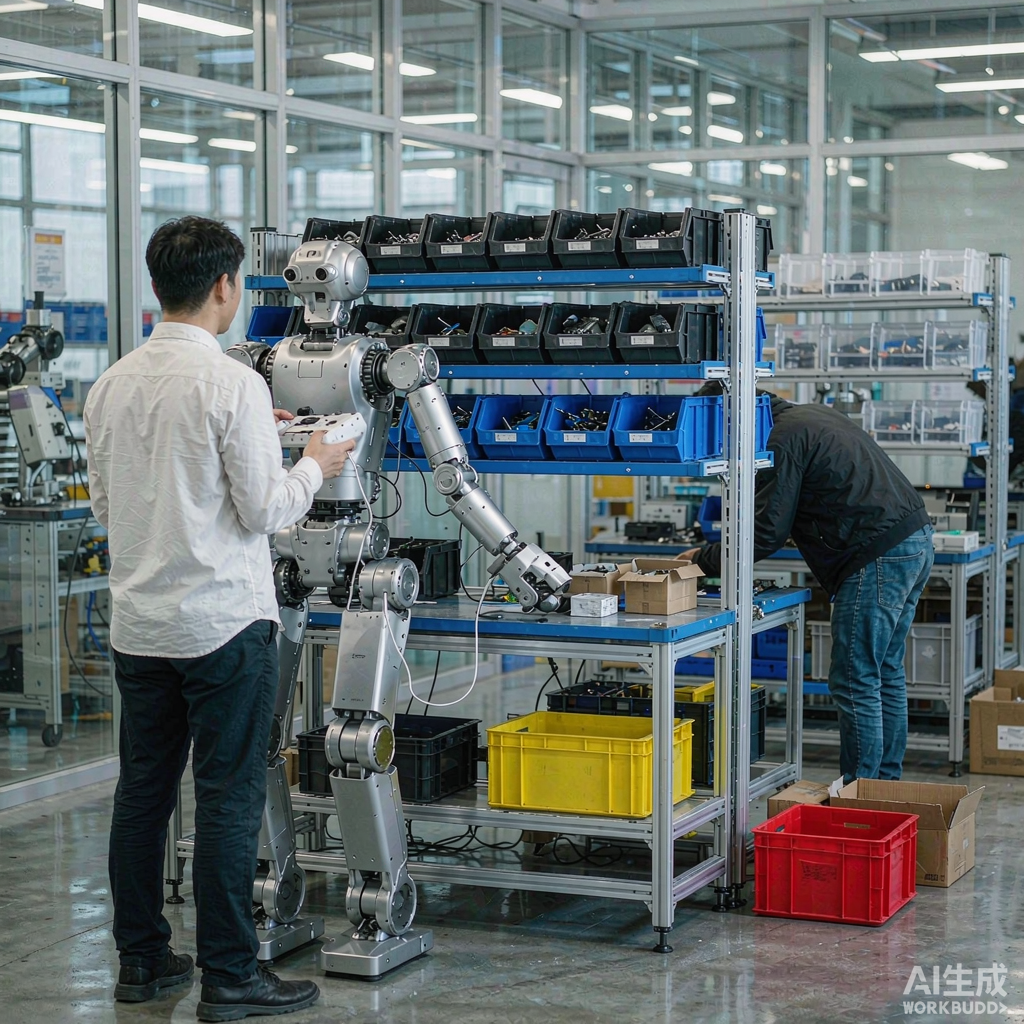



The third China Large Model Conference was held in Beijing alongside the 10th congress and 45th anniversary academic meeting of the Chinese Information Processing Society. Under the theme of carrying forward a 45-year legacy while opening a new chapter of language models, the event brought together researchers and companies to discuss embodied intelligence, physical AI, self-reliant large models, model security and talent development.
Jia Yan, vice chair of the society, recalled that in June 1981 pioneers including Qian Weichang founded the association to tackle the question of whether Chinese characters could enter computers. Wu Yanju, director of the Institute of Software at the Chinese Academy of Sciences, said large models are now moving from language understanding and generation toward multimodal fusion and embodied intelligence, as the AI Plus initiative creates new opportunities for the field.
Academician Zhao Qinping of Beihang University argued that the global AI sector is shifting from a race for parameters to real-world deployment, and described a human-centred paradigm in which intelligence is coupled with people through terminals such as glasses, rings and phones. Academician Fang Binxing of Guangzhou University proposed four boundaries for AI safety: allow autonomous planning but not rewriting of ultimate goals; allow self-improvement but not self-approval of evolution; allow use of resources but not an autonomous expansion loop; and allow tool calling but not self-expanded permission.
From industry, Unitree Robotics chairman Wang Xingxing said the robot ChatGPT moment depends on better generalization and self-evolution, with a breakthrough possible within one or two years, and identified data, computing power, chips, energy and minerals as the core assets of the AI era. iFlytek's Hu Guoping described how the company's Spark model advanced from pre-training and reinforcement learning to agents and recursive self-improvement, and said it had been trained on domestically produced computing power despite the difficulties involved.