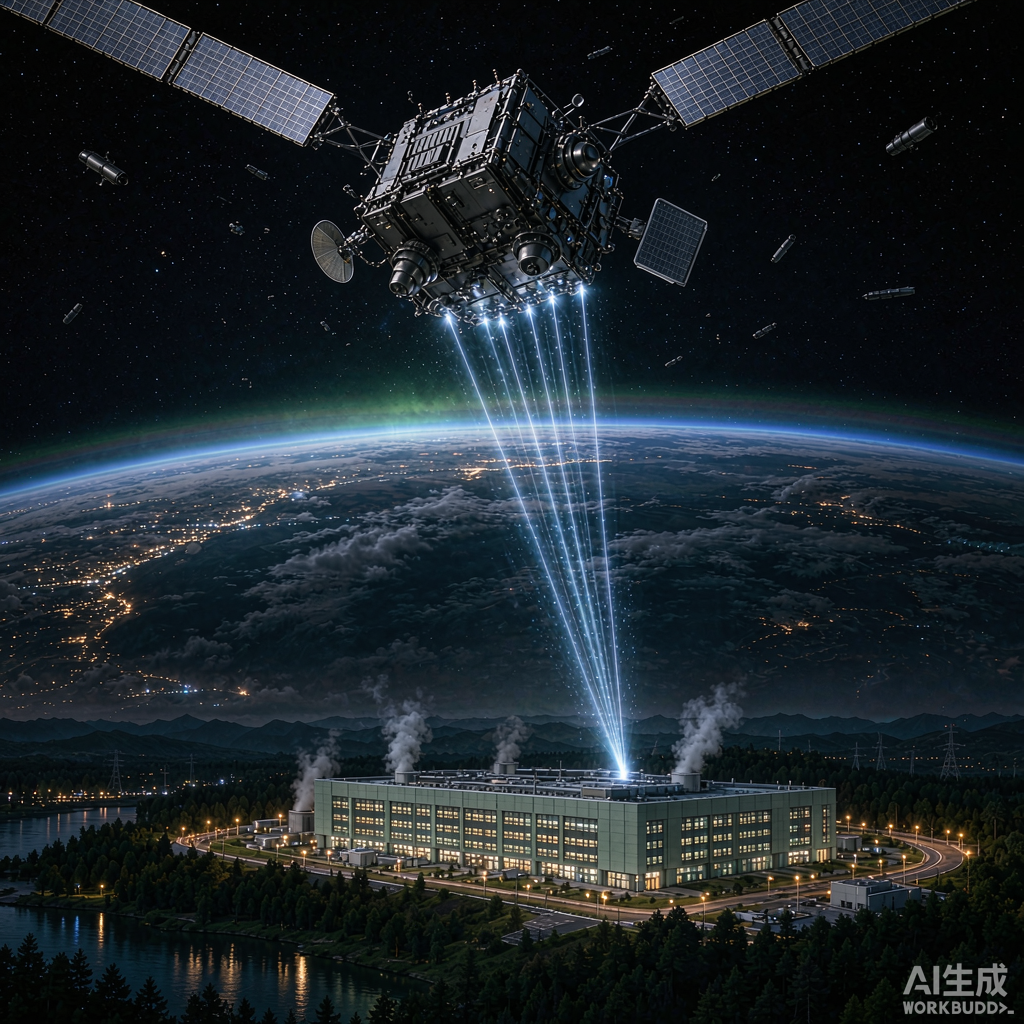



The 2026 World Computing Conference, held in Changsha, central China's Hunan province, brought together 21 events under the theme of building a new form of intelligent economy, Xinhua reported on November 24. A report on ten major trends in China's computing development, released at the opening forum by the China Center for Information Industry Development, predicts that by 2030 power-computing coordination could deliver benefits exceeding 10 percent of enterprises' electricity costs, and that China will build a commercial space computing network of roughly a thousand satellites with exascale-level in-orbit capacity.
Space computing has already completed verification of constellation-level in-orbit computing power, large-model deployment and multi-satellite coordination. Kunlun Yuan, one exhibitor, has launched three early validation satellites and completed in-orbit testing of a single-node onboard large model. At the conference, experts said power and computing are moving from a relationship in which electricity simply follows computing to active interaction, with adjustable computing power becoming a flexible resource for power grids.
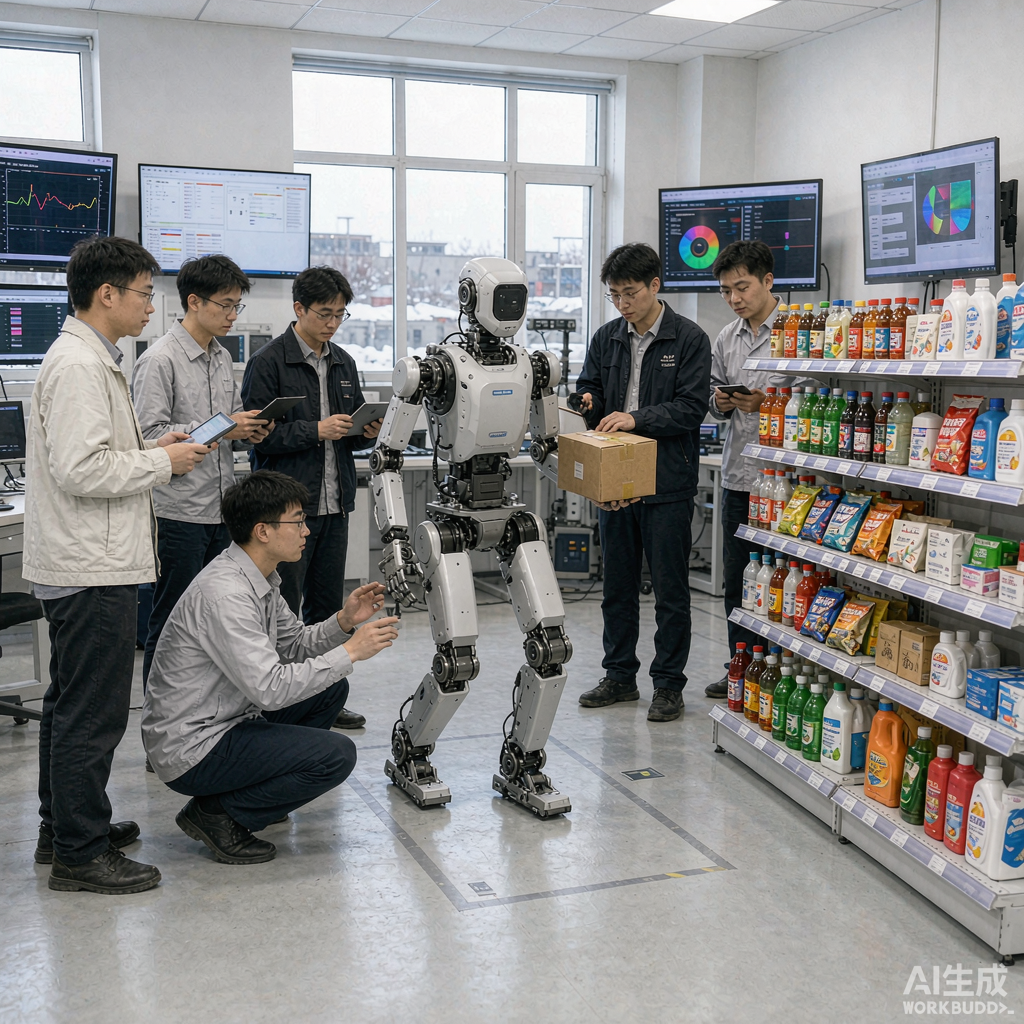
Another theme was AI moving from virtual agents into the physical world. Exhibitors demonstrated humanoid robots for sorting and grasping, a 170-centimetre welding robot with 27 degrees of freedom designed for shipbuilding, and an embodied intelligent operating system used in a smart factory. The trends report said domestic chips and models will be adapted far more closely by 2030, with the share of Chinese models running on Chinese chips expected to exceed 85 percent, as competition shifts to the full chain of chips, machines, software and scenarios.