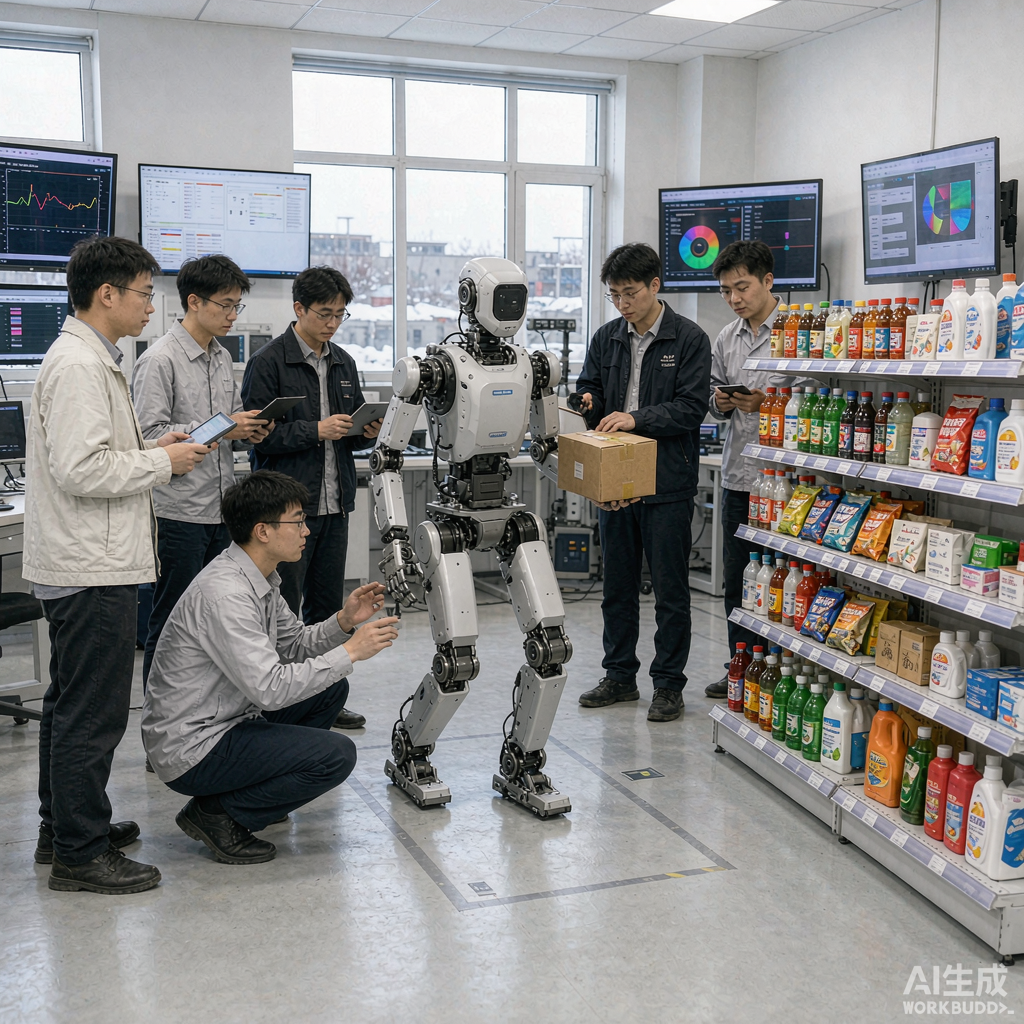



China is developing a new frontier in artificial intelligence human-computer interaction, including a pre-research project on accessible agent interaction for visually impaired users, CCTV News reported on November 25, citing a press conference held by the State Administration for Market Regulation on November 24.
For people with visual impairments, communicating smoothly with smartphones, smart terminals and AI applications through voice or touch remains a practical challenge. China has newly registered a number of leading pre-research projects covering interface design for embodied intelligent robots, eye-tracking interaction, usability assessment of surface electromyography interaction and accessible interaction for agents serving visually impaired people. Several affective computing standards have also entered the final international draft stage, providing baseline technical specifications for more diverse ways of interacting with AI.
Fan Kefeng, vice president of the China Electronics Standardization Institute, said affective computing standards enable AI to sense and respond to human emotions, improving the safety and trustworthiness of intelligent customer service, humanoid robots, smart homes and in-car systems. The goal is to make AI 'warm, trustworthy and inclusive', he said.