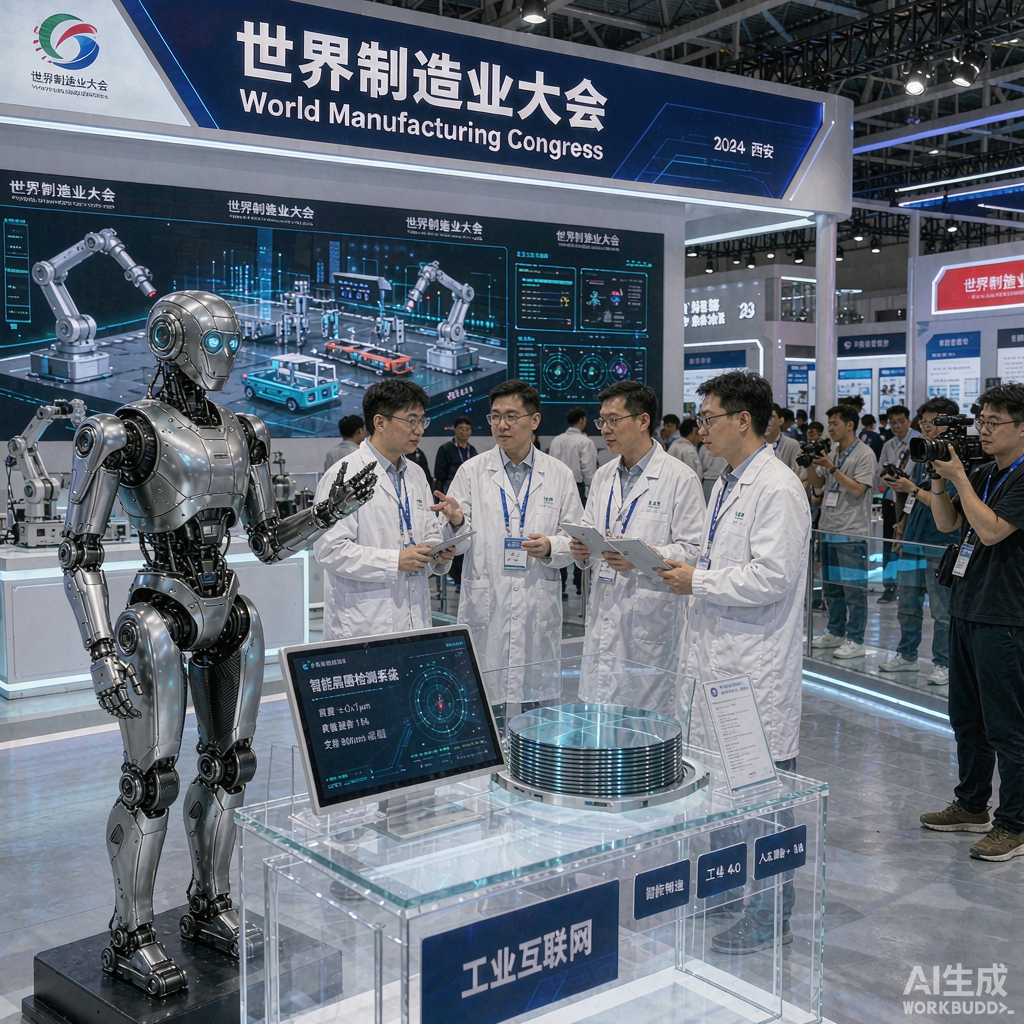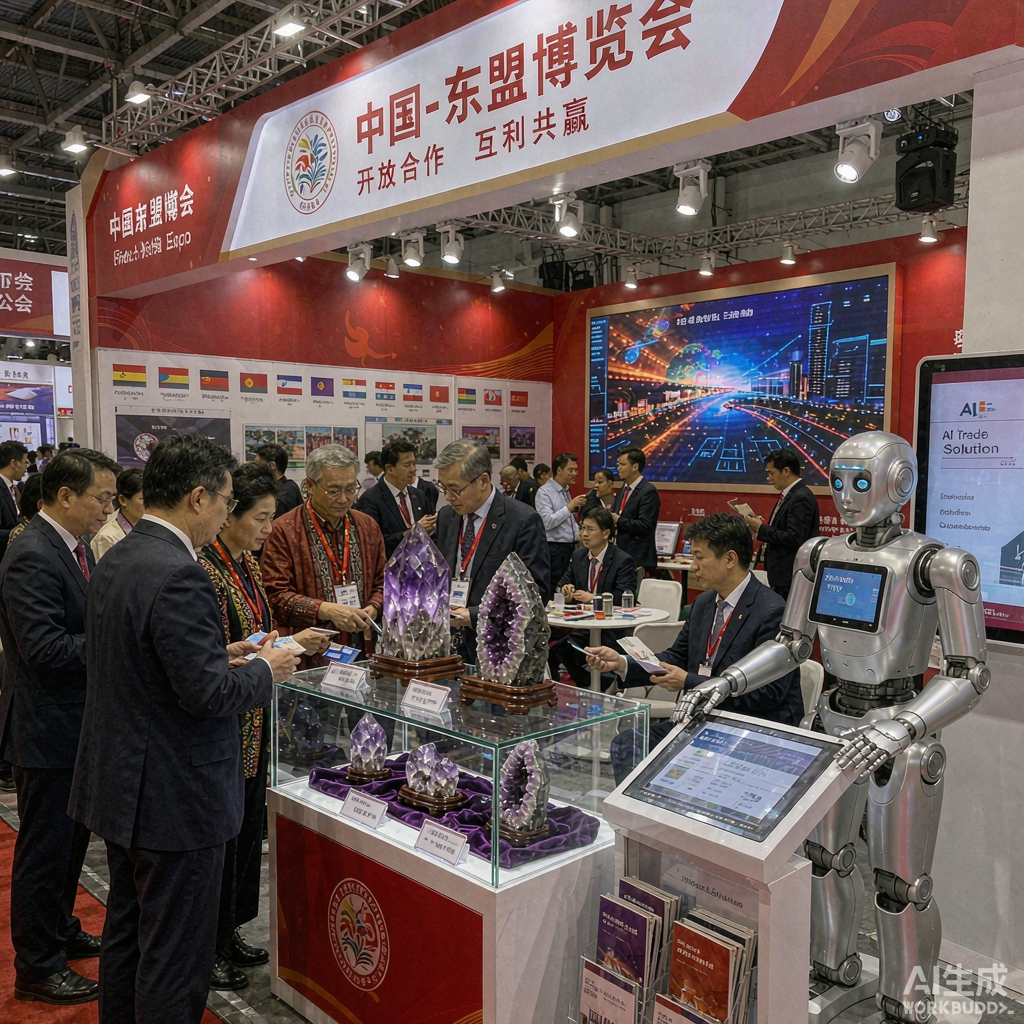



China Economic News reported on September 16 that over 70 "robot schools"—embodied-intelligence training grounds—have been activated, shifting from scattered single sites to a nationally coordinated training network and from hardware build-out to high-quality data supply and continuous scenario operation.
In June, MIIT and SASAC launched the 2026 humanoid-robot and embodied-intelligence real-scenario training campaign, requiring each provincial region to select at least 20 key scenario units under a "minimal intervention, reuse existing assets" principle to build trainable, testable, verifiable real-world spaces.
Jiang Lei, chief scientist at the National & Local Co-built Humanoid Robot Innovation Center, said the hard part is moving from "0 to 1" to scaled "1 to 10" deployment, stuck at standards, engineering and pilot stages. A key industry standard—"Embodied Intelligence Dataset Quality Requirements and Evaluation Methods," drafted by the China Academy of Information and Communications Technology with 40-plus units—will take effect November 1, steering dataset building from scale to quality.
Shenzhen's "Jubaopen" initiative is pivoting from single data sales to "training-as-a-service" with diversified revenue, making training grounds sustainable rather than heavy-asset burdens—turning infrastructure advantage into industrial innovation advantage.
Source: China Economic News