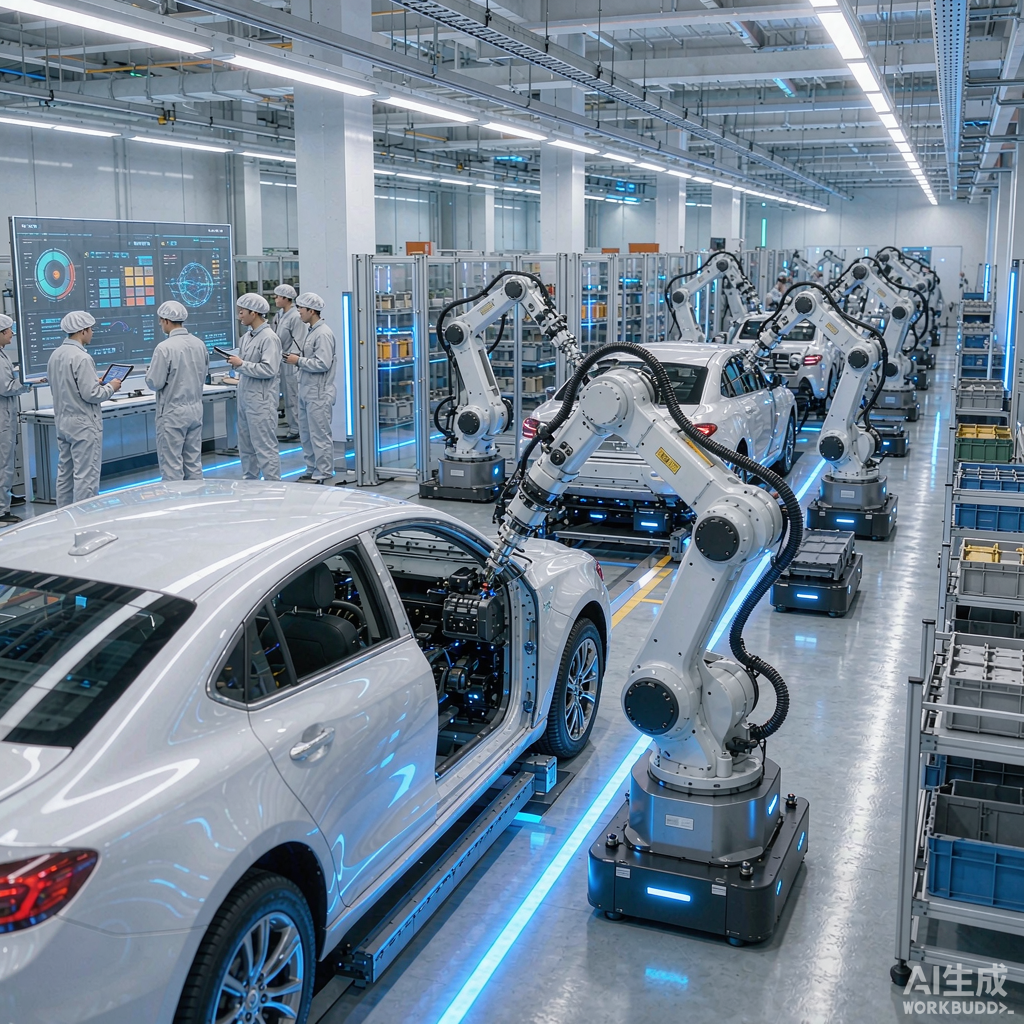



China and Thailand signed a memorandum of understanding on automotive industry cooperation on November 13, Xinhua reported on November 18. The agreement covers trade and investment, technological innovation, standards and regulations, the development of electric and intelligent vehicles, battery production and recycling, and strengthening of upstream and downstream supply chains.
Chinese automakers have rapidly expanded their presence in Thailand. BYD's plant in Rayong rolled off its 100,000th new energy vehicle in September, just 26 months after production began. The company has built partnerships with 266 local suppliers, and more than 1,090 of its components have been certified by the Thai Automotive Institute, bringing localisation to around 50 percent. GAC's first overseas battery pack plant started production in Chonburi in October, with a planned first-phase capacity of 7,000 packs a year, rising to 20,000 in phase two.
Data from the Federation of Thai Industries show that battery-electric vehicle sales in Thailand reached 160,000 units in the first nine months of 2026, up more than 90 percent year on year, with Chinese brands accounting for over 80 percent of the country's electric passenger car market. The memorandum is expected to lower compliance costs and deepen localisation as China's auto exports shift from a trade model toward a manufacturing-based one.