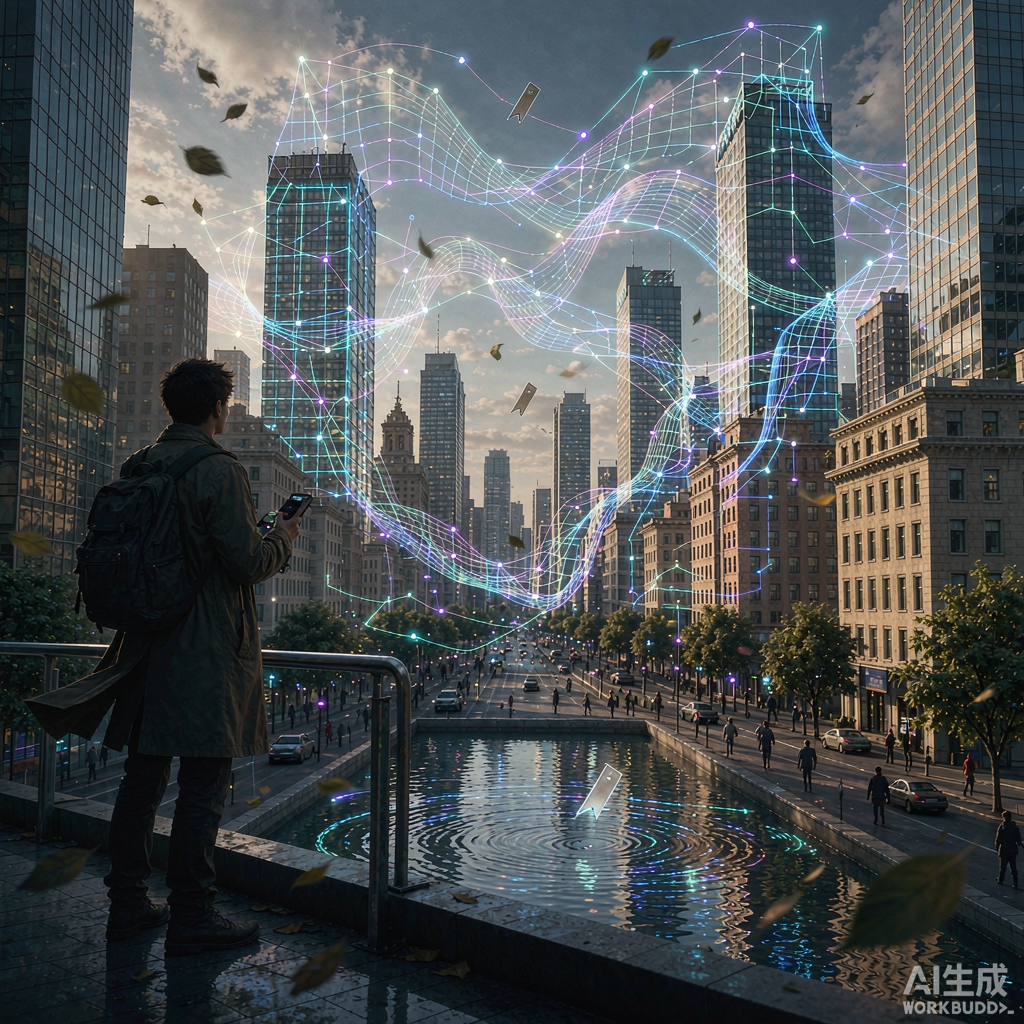



At the World Internet Conference in November, Chinese startup MoXin Technology released MoWorld 2.0, a new-generation four-dimensional world model. The system integrates more than ten physical elements, including gravity, elasticity, lighting and fluid dynamics, into its modelling capability. It can not only generate images of events such as a breeze moving book pages or a bookmark falling, but also infer the forces acting on objects and changes in their environment, with real-time inference improved to about 70 frames per second.
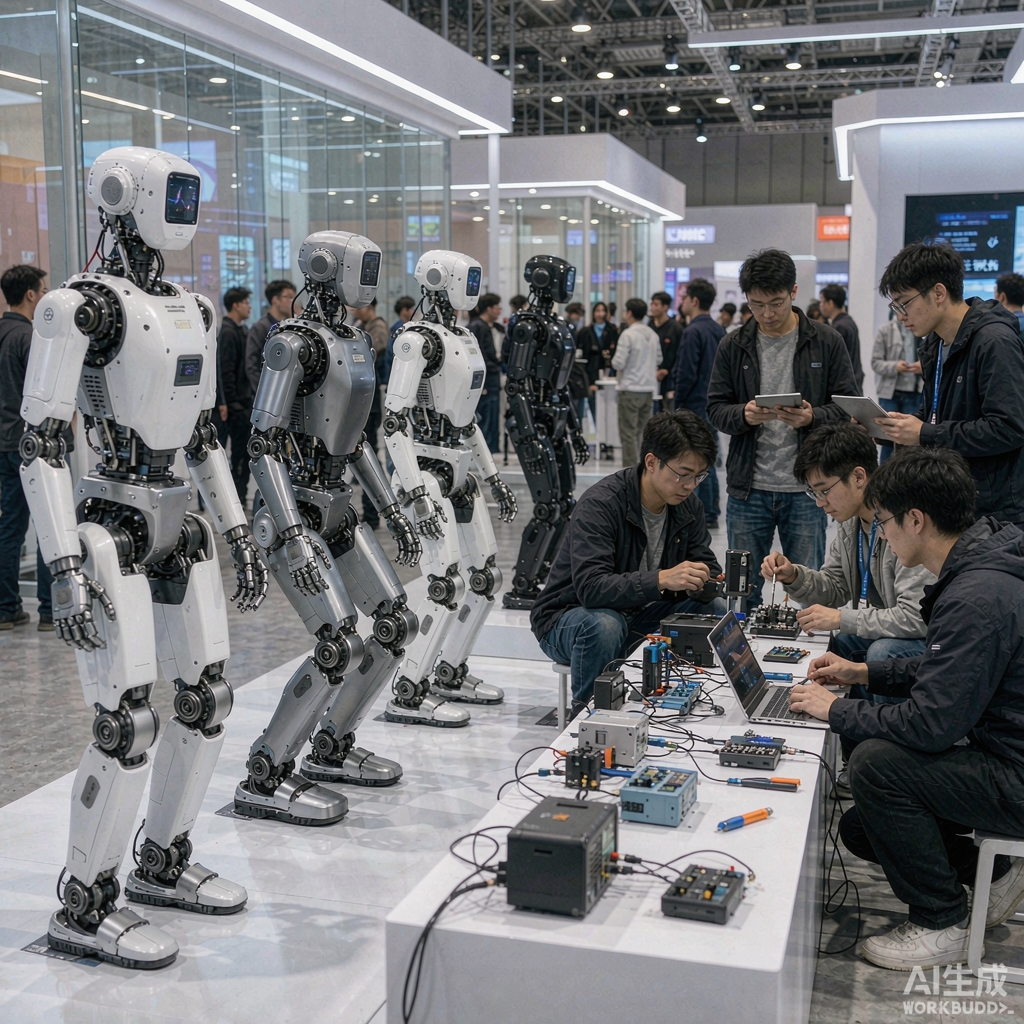
According to a report in the People's Daily, the team is working with domestic AI chip suppliers to improve per-card efficiency and is exploring commercial applications that range from simulated spaces for training intelligent devices to virtual production lines for testing new products before manufacture. Partnerships with tourism sites aim to create digital cultural experiences, while collaborations with game and film companies are exploring the construction of virtual time and space environments.
Team leader Chen Tianrun said such scenarios are not merely outlets for the technology but part of research itself: checking whether a model works in practice and feeding the results back into development. The team has grown from a few dozen people to about 300. Its approach reflects a wider trend in China's AI sector, where researchers are trying to connect academic algorithms, real industrial demand and user feedback so that world models can move from laboratory demonstrations into measurable commercial use.